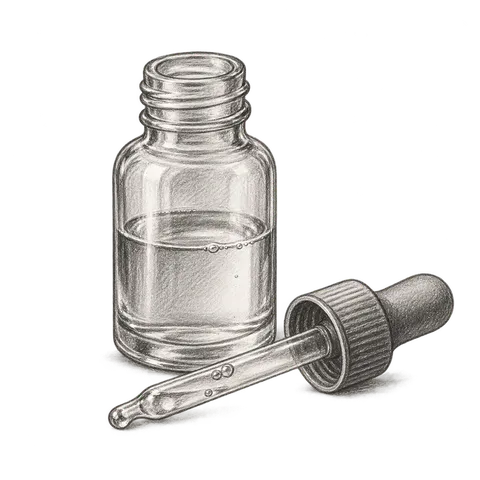
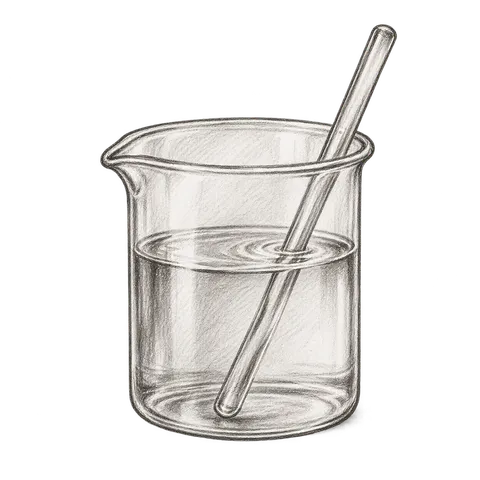
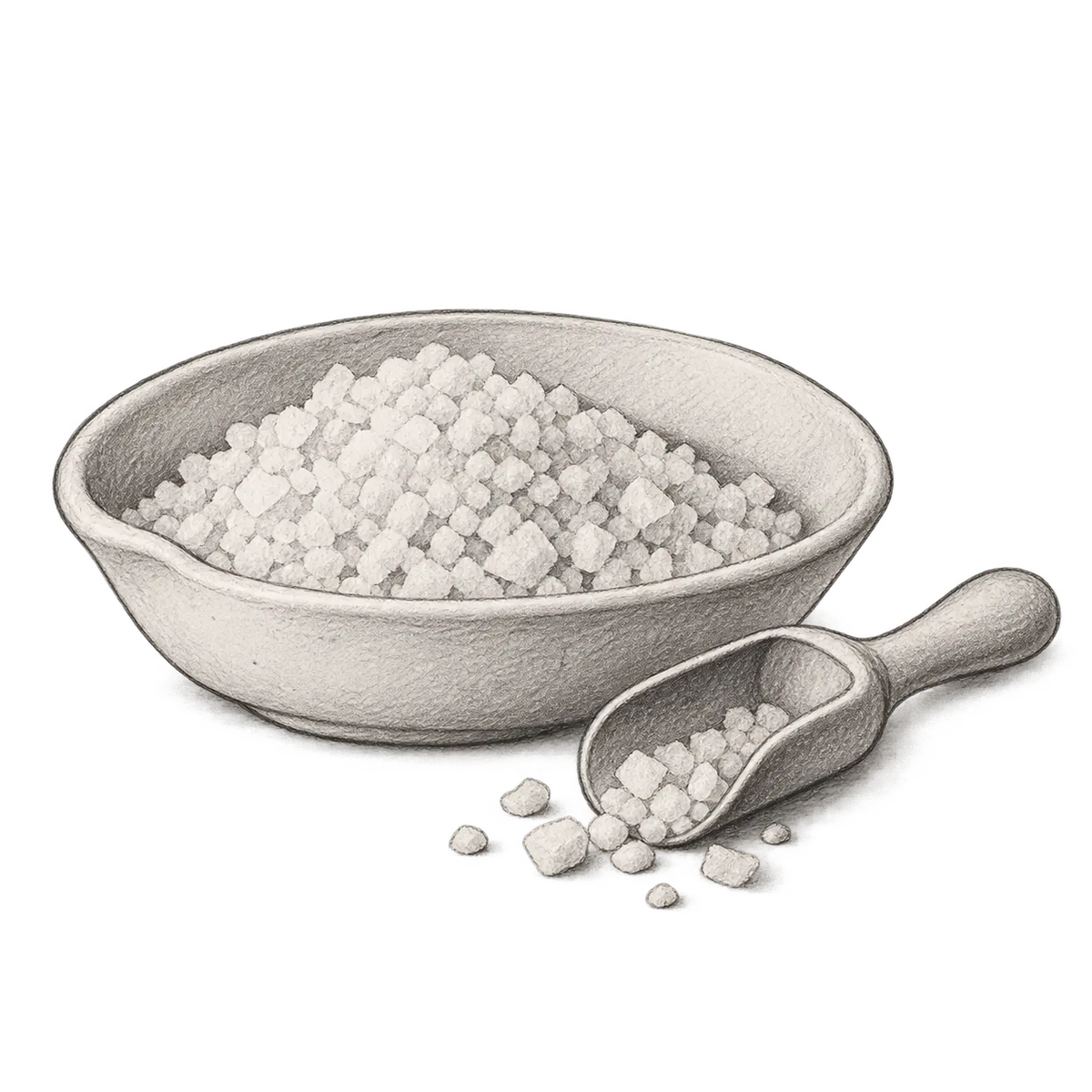
 CaCl₂CHEMICAL FORMULA
ION 1 / 5
Calcium chloride
A source of calcium among the salts in ION LAB.
 QUANTUM BREW
ION LAB / TASTING NOTEBOOK
Compare their chemistry. Rate all five cups together.
Five salts. Three families.
CaCl₂CHEMICAL FORMULAA source of calcium among the salts in ION LAB.
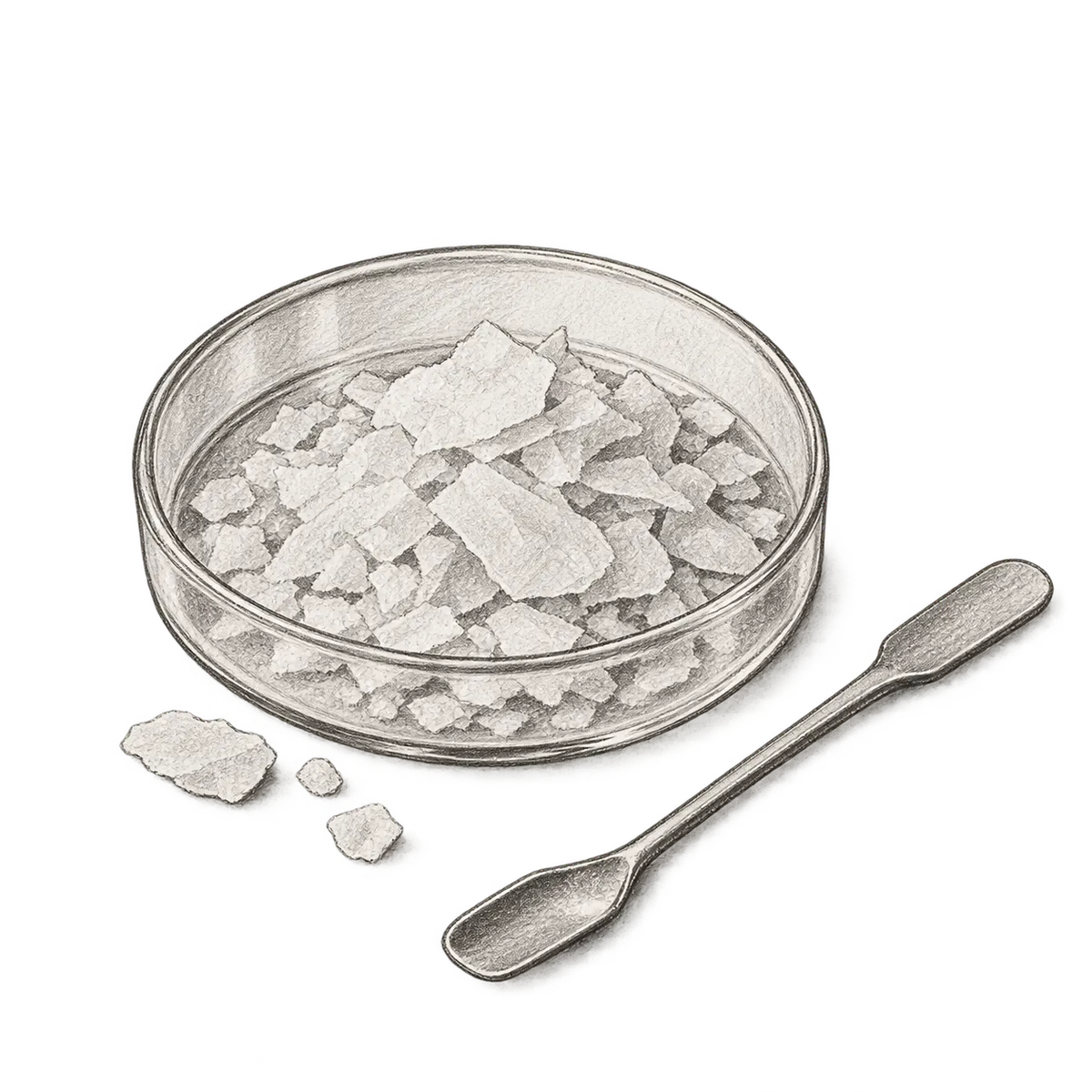 MgCl₂CHEMICAL FORMULA
One of the two salts in the kit that supply magnesium.
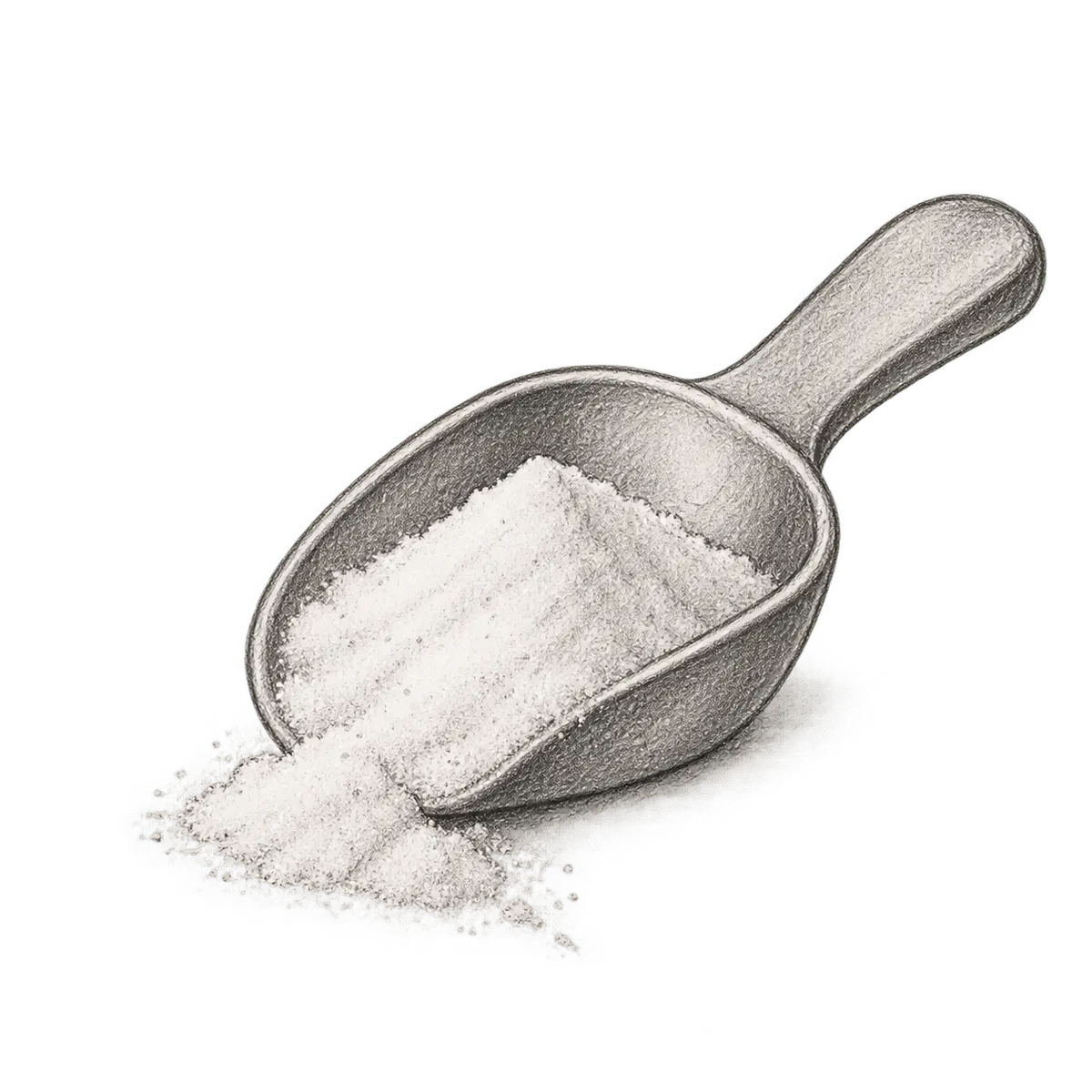 NaHCO₃CHEMICAL FORMULA
A bicarbonate salt with sodium.
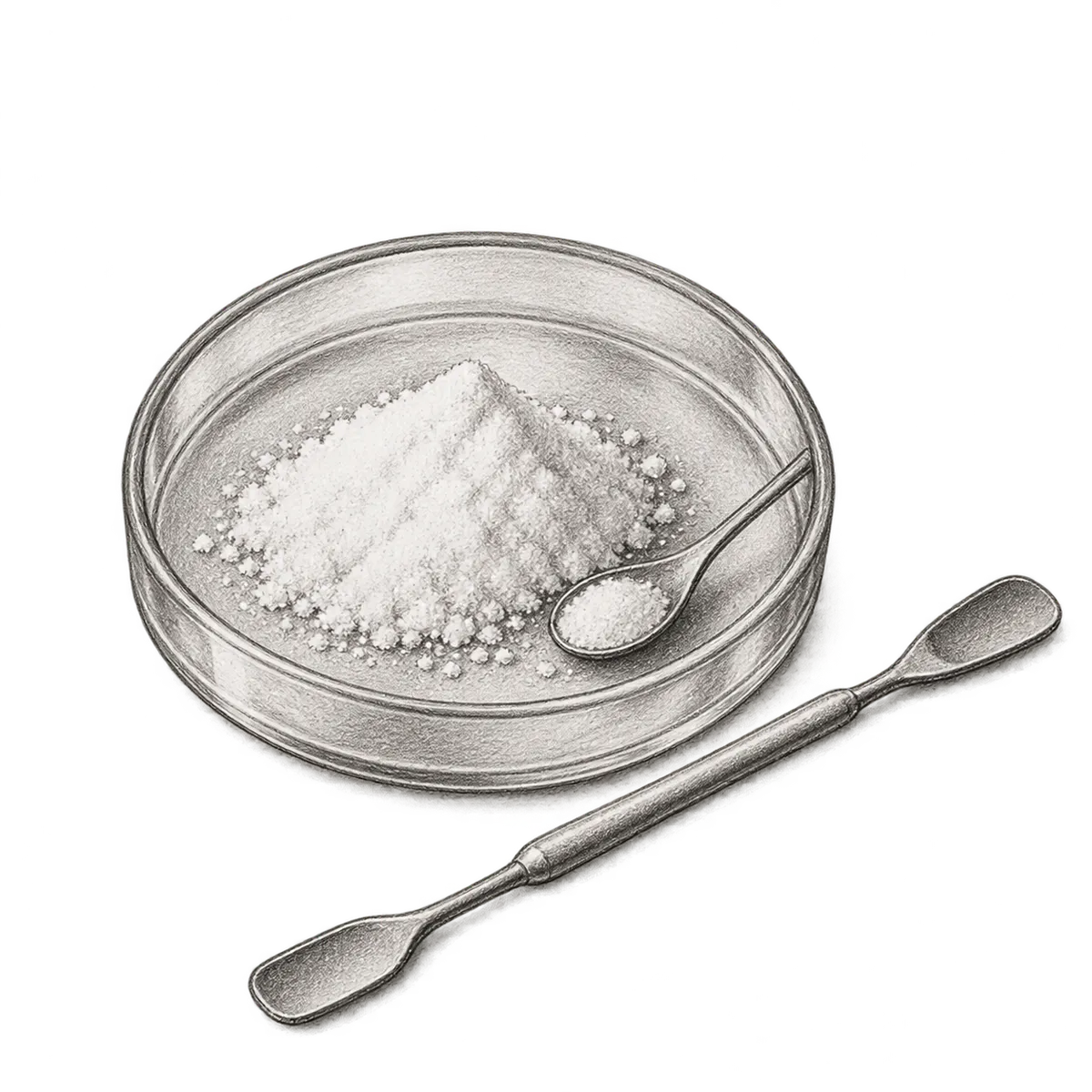 KHCO₃CHEMICAL FORMULA
The kit’s second bicarbonate salt, this time with potassium.
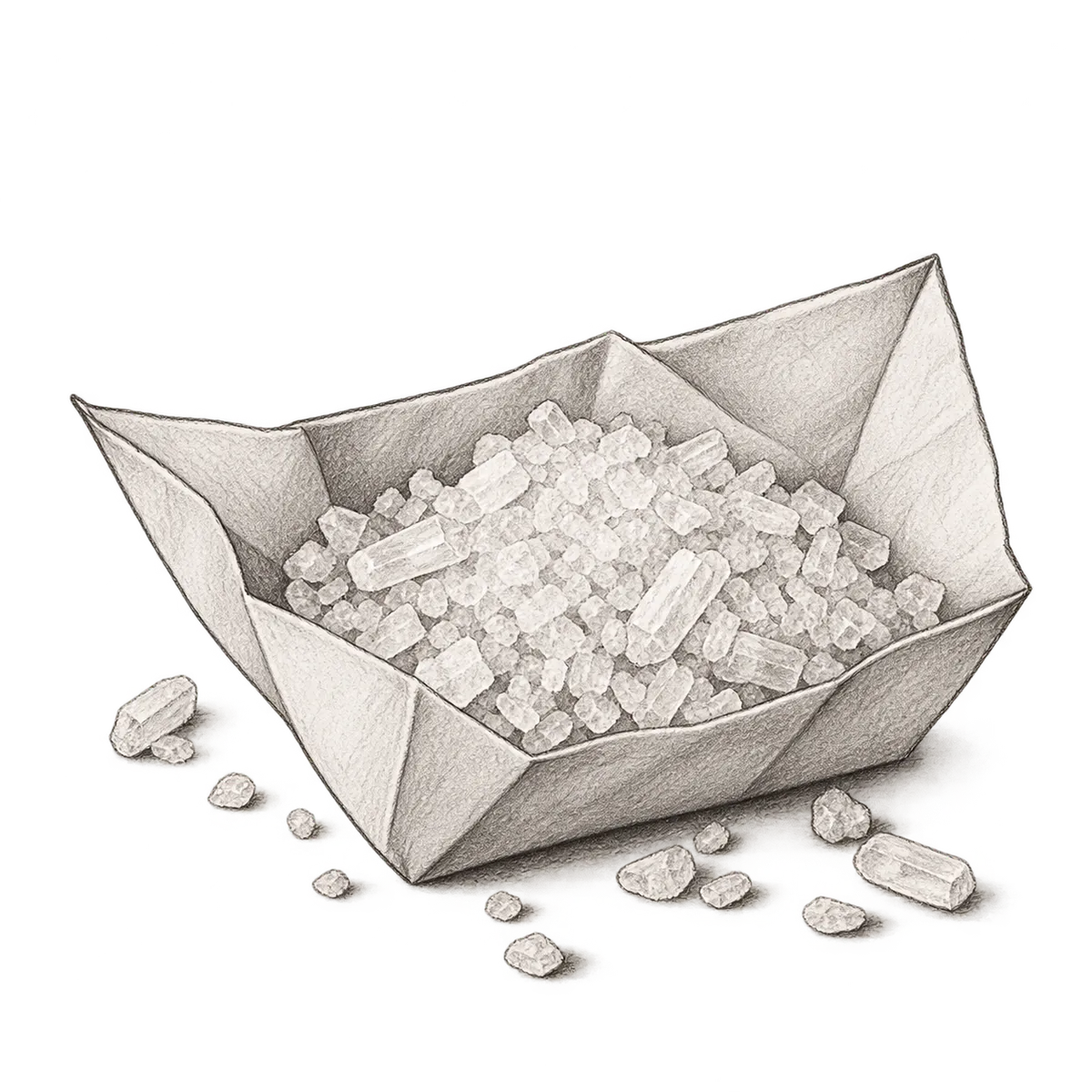 MgSO₄·7H₂OCHEMICAL FORMULA
The kit’s other source of magnesium, paired with sulfate and supplied in heptahydrate form.
In water, dissolved salts release ions: cations (+) and anions (−). These diagrams simplify the dissociation process; they do not show the subsequent equilibria in the mixture.
These cards identify the salts in the kit. Consult the validated instructions before preparing your water.
ION LAB / FIRST TASTING
A first comparative tasting to explore the five salts in ION LAB. The amount of each concentrate will be added once it has been validated.
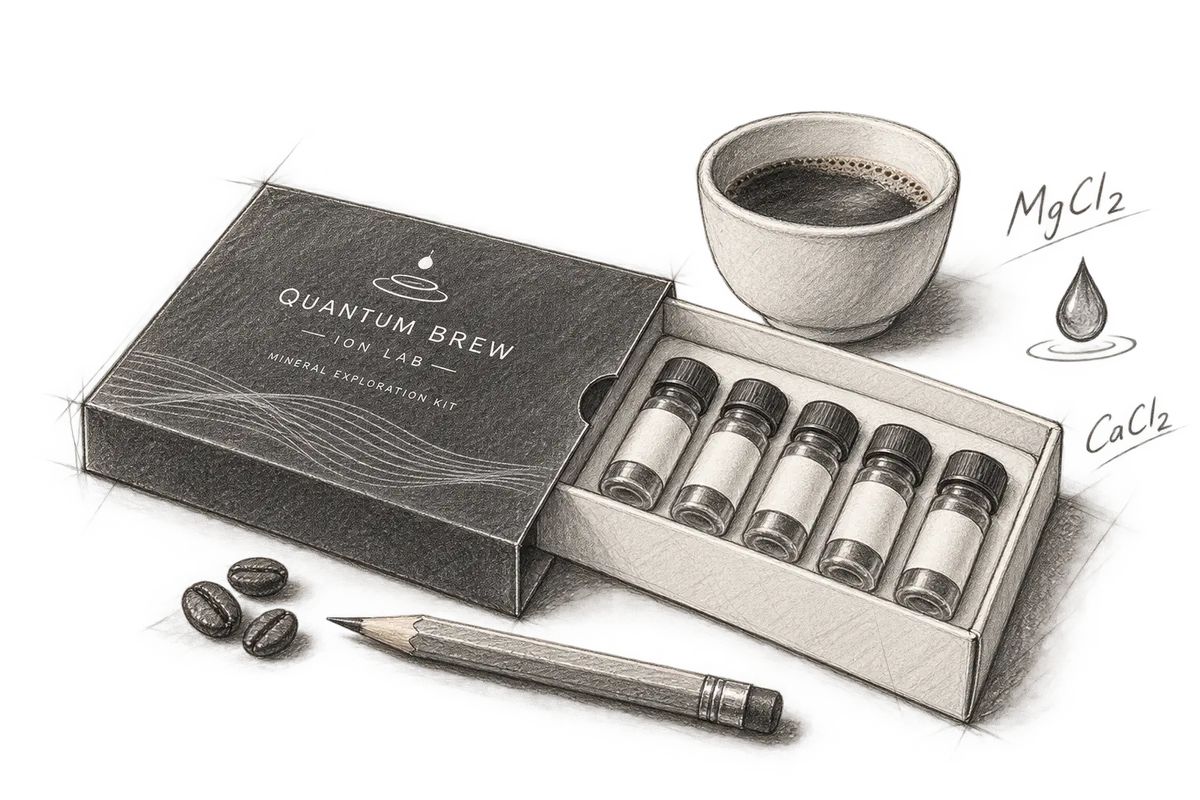
MANUAL / COMPARATIVE TASTING
Provisional approach · doses awaiting validationUse purified drinking water or water with very low mineral content. Brew enough coffee to pour the same amount into each cup.
Pour five equal portions of the same coffee. Taste them before adding minerals and note how you perceive the starting coffee.
Assign a different concentrate to each cup: calcium chloride, magnesium chloride, sodium bicarbonate, potassium bicarbonate and magnesium sulfate. Keep the cups labelled and separate.
Add only the assigned concentrate to each cup and stir gently. The number of drops is still awaiting validation; this draft does not yet specify a dose for use.
Compare the cups and record what you actually perceive: acidity, sweetness, body, bitterness, texture or no difference.
BEFORE YOU COMPARE
The written guides are ready. Video tutorials are still in preparation.
YOUR EXPERIENCE / INTERACTIVE TASTING
Compare all five cups in the same table. Each column is a bottle; each row is an attribute of your coffee.
KEEP EXPLORING
Explore the proposed online course on water for specialty coffee: six hours of theory, recorded or via Zoom, with the ION LAB kit.
Water for coffee courseEnrolment in preparation · price and dates to be confirmed.
Back to the main website ↗