 QUANTUM BREW
 / WATER AND COFFEE
How to read a water label before comparing coffees
Published on
English version:
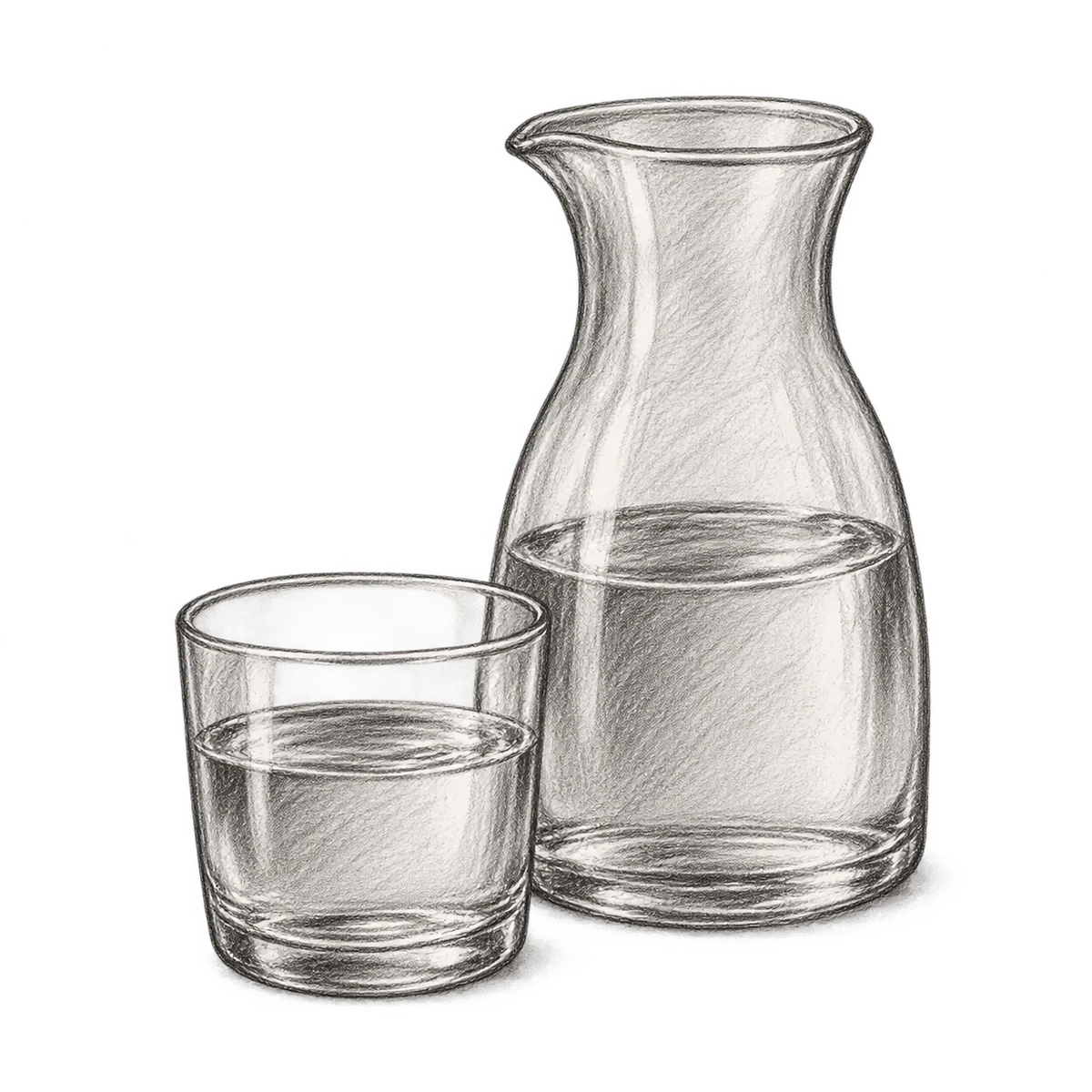
A label is a useful starting point for documenting a tasting. It becomes more useful when you copy each value with its name and unit, keep track of its source and distinguish reported information from missing data. The purpose of this record is to organise information, not to choose one universally “best water”.
Start by identifying the sample
Record the brand, product name, origin or spring when listed, and the date you checked the information. If you are working with a particular bottle, keep a legible photograph of its label. If you consult the manufacturer’s website, save the link and date. Do not combine figures from labels for different water sources under a single brand.
Copy each field without changing its meaning
Create a table with three columns: component, value and unit. Copy calcium, magnesium, sodium, bicarbonate, chloride or sulfate where listed. If the label does not report a component, write “not stated”; this does not mean its amount is zero.
When you see mg/L, keep that unit alongside the value: it means milligrams per litre. Do not substitute a calcium value for hardness or a bicarbonate value for alkalinity. The quantities and the ways they are expressed may differ; any conversion requires a validated rule.
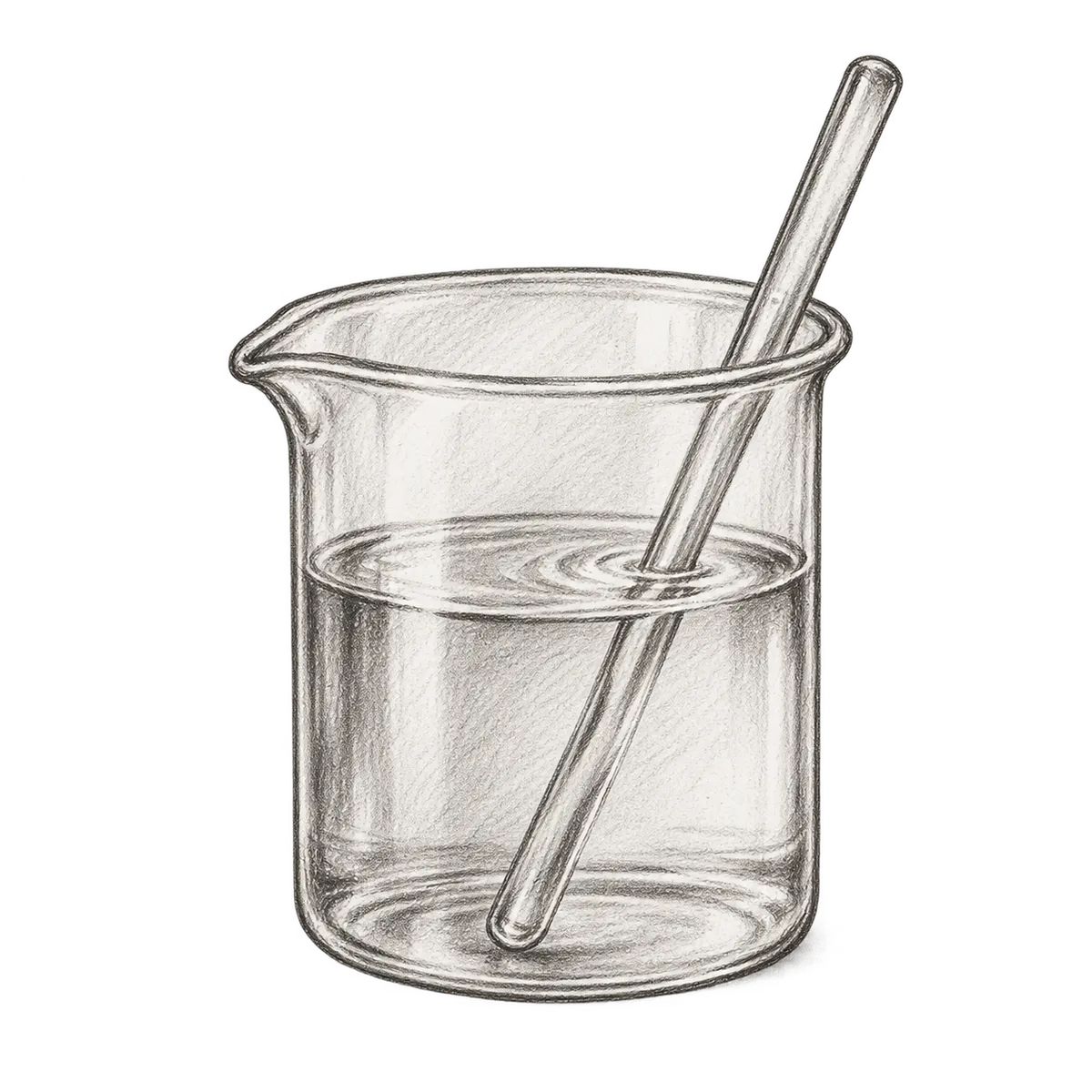
Keep label data, measurements and calculations separate
Add a column showing where each value comes from. “Label” identifies a manufacturer’s statement; “measurement” requires a record of the instrument and conditions; “calculation” requires the formula and its assumptions. If you cannot identify the source, leave the value out of the comparison.
A template you can use today
Water: ___. Origin: ___. Source and date: ___. Component / value / unit / data source: ___. Missing fields: ___. Coffee and brewing method for the comparison: ___. Observations I want to check: ___.
Complete the same template for the second water. Comparing clear tables helps you see which questions remain open. A label alone does not establish what flavour you will get, what dose you need or whether the water is compatible with a particular coffee machine.
If you then record a tasting, keep both records alongside your impressions. You can use Quantum Brew’s interactive ION LAB tasting tool as a personal record. Dosing recommendations will be added to the kit instructions only once they have been validated.